
Sourced from Changtangi goats at 4,500m. Crafted in northern India. Worn for a lifetime.
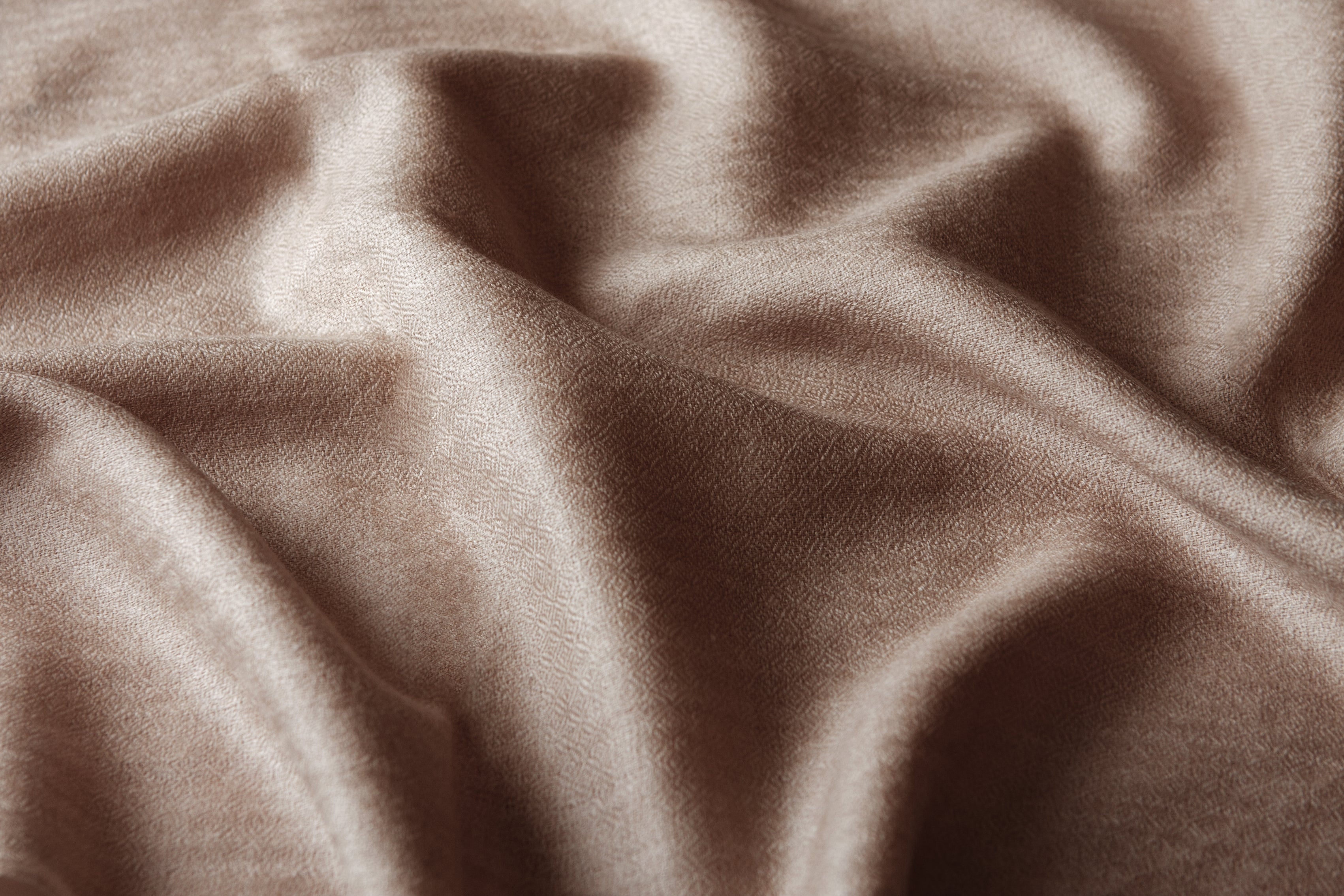
Pashmina Cashmere
Lernen Sie die Nomaden in Changthang kennen
Unsere Stars: Die Changtangziegen
The nomadic families herd their flocks through a region so vast, silent, and unreal that it seems almost timeless. They live in tents, wear heavy, simple clothes, cook with yak dung, and trade their products for rice, tea, petrol, and money. In this simplicity lies an infinite richness: Everything happens in harmony with nature.
When Anton learned about this life, a desire grew within him to make it visible and tangible – not through touristy images, but through something one can touch. Thus, CHANGTANGI was born: A bridge from Changtang to the world.
From Thread to Stole – Craftsmanship with Centuries of Tradition.
Das Kaschmir wird im Mai oder Juni aus dem Fell der Changtangiziegen herausgekämmt, sortiert und dann ins Tiefland transportiert. Dort wird es kardiert, versponnen und schließlich gewebt. In unserer Webereien im indischen Norden entstehen daraus die CHANGTANGI Schals und Stolen – schlicht, weich und von natürlicher Eleganz.
Wir haben die Weberei vor Ort besucht und uns alles genau angesehen, um sicherzustellen, dass die Arbeitsbedingungen und die Atmosphäre unter der die Schals hergestellt werden unserem Anspruch entsprechen.
Discover our weaving mill in Pathankot, India
